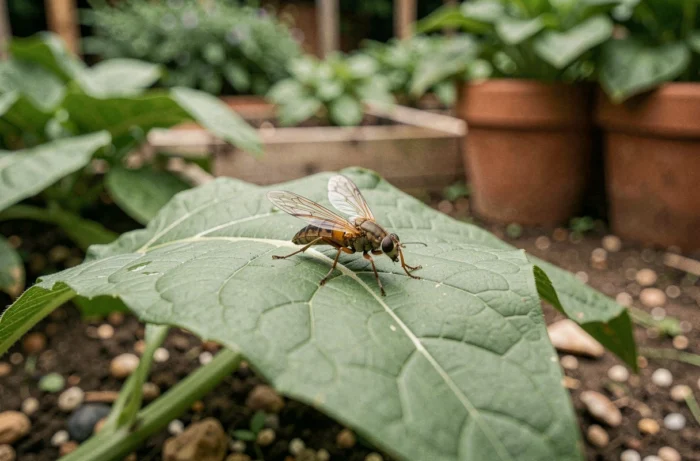
The ophone is one of those insects that people crush reflexively, convinced they are dealing with a cockroach. The term actually refers to several species of nocturnal beetles, primarily from the Carabidae family, that frequent gardens and sometimes enter homes. Understanding what this vernacular name encompasses allows us to appreciate their real utility and avoid unnecessary treatments.
Ophone and taxonomy: a vernacular name that groups several beetles
The word “ophone” does not have an official scientific status. The Office for Insects and their Environment (OPIE) published a FAQ in 2024 to remind that this term is a regional vernacular name applied to several nocturnal Carabidae that inhabit homes. This imprecision complicates naturalist monitoring and public awareness.
Two species are most often grouped under this name. Pseudoophonus rufipes, known as the “red-legged ophone” or strawberry harpalus, belongs to the Carabidae family. Opatrum sabulosum, a black darkling beetle fond of dry soils, is sometimes referred to in the same way for convenience. These two insects do not belong to the same family, which makes the confusion, as detailed in the role of the ophone insect according to Animal Passion, even more frequent.
This lexical ambiguity has a direct consequence: many individuals contact pest control companies reporting a “cockroach invasion,” while they are actually encountering completely harmless ophones.
Ophone or cockroach: a comparative table to distinguish them
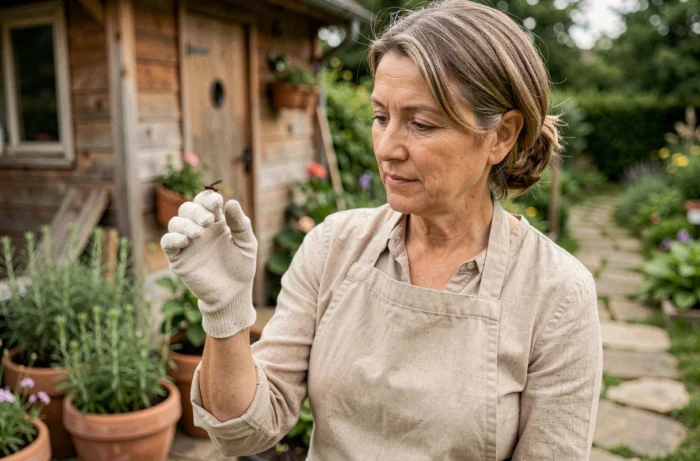
The visual resemblance between the ophone and the German or Oriental cockroach regularly triggers unjustified alerts. Here are the criteria that allow for quick differentiation.
| Criterion | Ophone (Carabidae/Tenebrionidae) | Cockroach (Blattodea) |
|---|---|---|
| Body | Rigid shell (fused or hard elytra) | Flattened, soft, and shiny body |
| Antennas | Short, thick | Long, thread-like |
| Movement | Fast running on the ground, does not climb walls | Easily climbs vertical and smooth surfaces |
| Wings | Absent or non-functional in most concerned species | Present and sometimes used for short flights |
| Activity | Nocturnal, attracted to outdoor light | Nocturnal, avoids light |
| Habitat | Garden, under stones, outdoor wet areas | Indoors, kitchens, plumbing, warm areas |
| Health risk | None | Potential vector for bacteria and allergens |
The most reliable criterion remains behavior towards light. The ophone is attracted to outdoor lighting, which explains its presence near doors and windows in the evening. The cockroach, on the other hand, flees any light source and seeks refuge in dark corners.
The role of the ophone as an auxiliary in the garden
The ophone belongs to the group of predatory beetles that assist crops. Carabidae like Pseudoophonus rufipes consume slugs, aphids, larvae of pest insects, and seeds of weeds. This mixed diet (carnivorous and granivorous) makes it a discreet yet effective ally for the natural regulation of pests in the garden.
Research in agroecology has confirmed the importance of maintaining populations of Carabidae in cultivated areas. Recent studies even explore the use of certain insects to regulate weeds in vegetable crops, a field where carabids play a documented role.
Their presence generally indicates healthy soil. A garden that hosts ophones benefits from a functional ecosystem where natural predation limits the need for pesticides.
- Predation of slugs and juvenile snails, particularly active in humid nocturnal conditions
- Consumption of fly larvae, wingless aphids, and small soil worms
- Destruction of fallen weed seeds, which hinders recolonization by “bad weeds”
Intrusion into the house: causes and means of prevention without pesticides
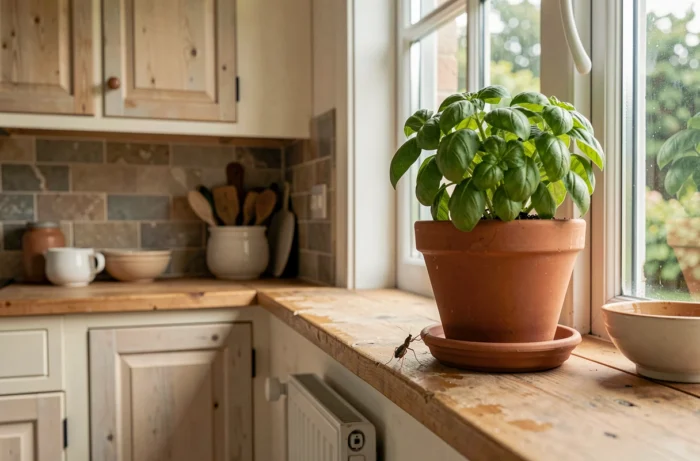
The ophone does not seek to colonize the interior of a home. Its entry is accidental, caused by the attraction of artificial lighting near openings. Wall sconces, terrace lamps, and parking lights attract these nocturnal beetles, which then cross door thresholds or partially opened windows.
The nuisance is primarily psychological. The ophone does not reproduce indoors, does not contaminate food, and does not degrade any materials. Several individuals observed over a short period may give the impression of an invasion, but it is usually a series of successive entries related to the same light source.
Preventive measures are simple and require no chemical products:
- Replace outdoor white bulbs with warm or amber spectrum LED lights, which are less attractive to nocturnal insects
- Install door sweeps and check the sealing of window joints
- Turn off unnecessary outdoor lights after a certain hour, or equip them with motion detectors
- Maintain mulch and refuge areas (wood piles, low hedges) in the garden so that ophones naturally remain there
Micro-habitats in the garden: promoting carabids in urban spaces
Urban green space management policies have recently integrated auxiliary beetles into their recommendations. Municipal guides advocate for the creation of micro-habitats (wood piles, hedges, unmowed areas) to maintain populations of predatory carabids and reduce reliance on phytosanitary treatments.
In private gardens, leaving a few flat stones on the ground, preserving a corner of spontaneous vegetation, or installing a dry stone wall is enough to provide daytime refuges for ophones. These arrangements also benefit other auxiliaries like rove beetles and ground spiders.
An “overly clean” garden, mowed short and cleared of all plant debris, deprives these beetles of their shelters and prey. The paradoxical result: more slugs and aphids, and potentially more chemical treatments to compensate for the loss of natural regulation.
The ophone remains a reliable indicator of the ecological quality of a green space. Its presence in the garden signals a living soil and a functional predator-prey balance. Rather than seeking to eliminate it, it is better to adapt the home’s lighting and allow it to maintain its role as a discreet regulator.